Address
64/2357 Kaloor - Kadavanthara Road , Cochin - 682017 , Kerala.

Address
64/2357 Kaloor - Kadavanthara Road , Cochin - 682017 , Kerala.
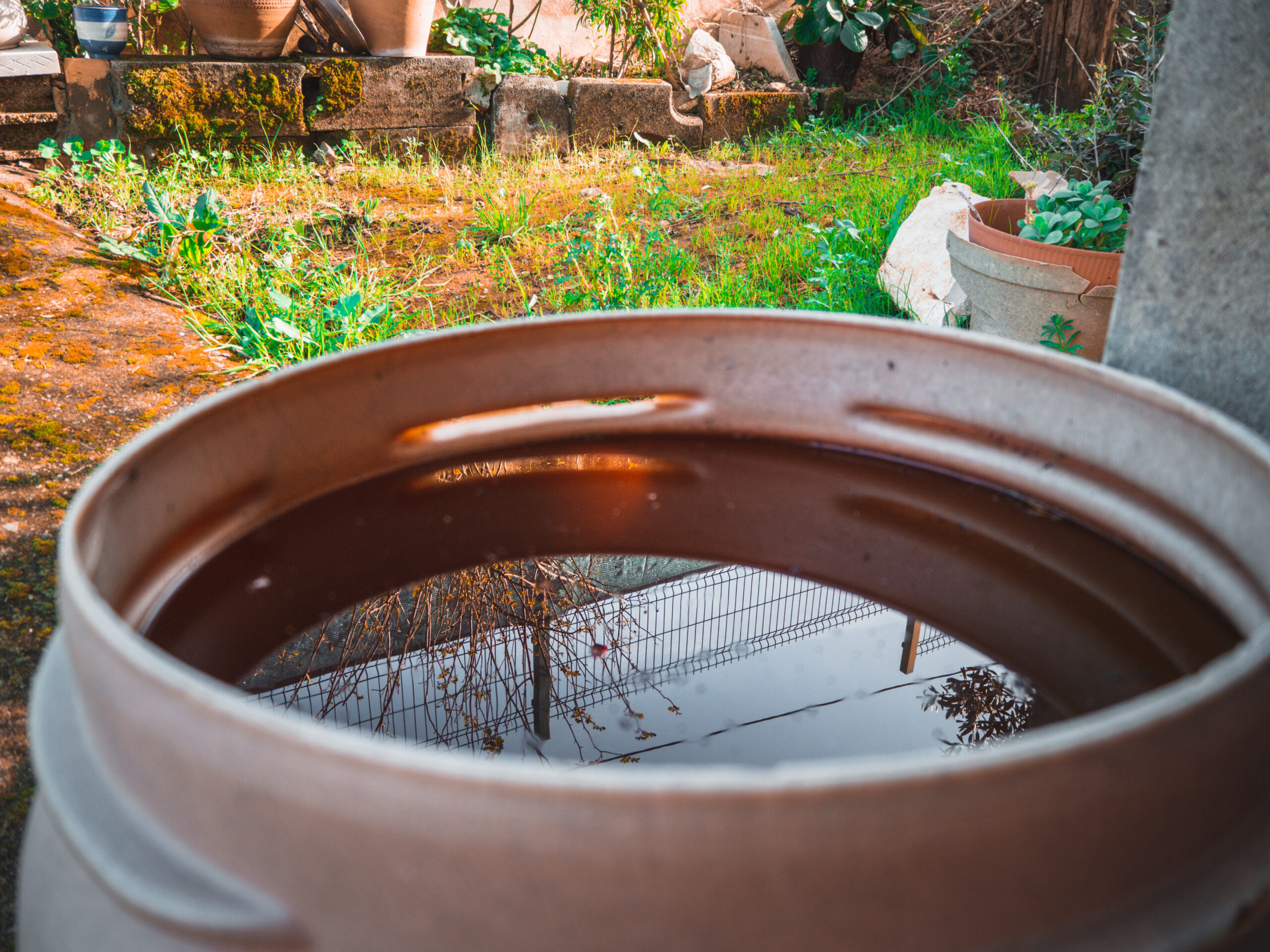
Water storage tanks play an important role in homes, apartments, commercial buildings, industries, and other properties where water needs to be stored for daily use. However, storing water for extended periods can allow sediment, dirt, organic matter, and other contaminants to accumulate inside the tank. Without proper maintenance, these issues can affect water quality and the overall condition of the water storage system.
Regular Water Tank Cleaning and Treatment is therefore an important part of responsible water management. Cleaning removes accumulated dirt and sediment, while appropriate water treatment helps address specific water-quality concerns. Together, these practices can support cleaner water storage and a better-maintained plumbing system.
A water tank is not simply a container that can be filled and forgotten. Dust, debris, sediment, and other materials can enter a poorly protected tank. Damaged covers, vents, inspection openings, and surrounding drainage can also increase contamination risks.
The World Health Organization recommends regular inspection, maintenance, cleaning, and disinfection of water storage systems. Its 2026 guidance for storage tanks specifically highlights checking the tank for sediment buildup, maintaining covers and protective screens, and cleaning and disinfecting the tank when necessary.
This makes Water Tank Cleaning and Treatment an important part of a broader water safety and maintenance routine.
Sediment can gradually settle at the bottom of a water tank, particularly when the incoming water contains suspended particles. If the sediment continues to accumulate, it can affect the cleanliness of the stored water and may eventually enter connected plumbing.
During proper Water Tank Cleaning and Treatment, the tank can be emptied when appropriate, accumulated sediment removed, and internal surfaces cleaned according to suitable safety procedures.
WHO guidance recommends removing sediment, cleaning internal tank walls, and disinfecting storage tanks when required.
Water that looks clean is not necessarily free from contamination. Storage conditions, handling practices, tank construction, and maintenance can all influence water quality.
Regular Water Tank Cleaning and Treatment helps maintain a cleaner storage environment. Tank covers should remain secure, inspection openings should be protected, and vents and overflow pipes should have suitable protective screens.
Cleaning should also be followed by appropriate disinfection when required. The exact method should depend on the tank, water source, contamination risk, and applicable guidance.
Cleaning addresses dirt and sediment, but another issue can develop in water systems: mineral scale. Hard water contains dissolved minerals that can contribute to deposits on plumbing components, appliances, fixtures, and other water-contact surfaces.
This is where Water Tank Cleaning and Treatment connects with broader water-conditioning practices. Cleaning alone does not necessarily address the ongoing effects of hard-water minerals entering a system.
KalyxX India provides water-treatment and descaling solutions based on IPS KalyxX technology. Its product range includes KalyxX Active, BlueLine, RedLine, GreenLine, Mini, and Industry products, positioned for water-care and scale-management applications.
For suitable applications, property owners can explore the range of KalyxX India water treatment products as part of a broader approach to water-system maintenance.
Water quality affects more than the storage tank. Hard-water scale can accumulate in pipes, taps, shower fittings, heating elements, and appliances that regularly come into contact with water.
A complete Water Tank Cleaning and Treatment routine should therefore consider both the condition of the storage tank and the quality of water moving through the connected system.
Water-conditioning technologies may be useful where mineral scaling is an ongoing concern. However, they should be considered as part of a suitable water-management strategy rather than as a replacement for physically cleaning a dirty tank.
Good tank maintenance involves more than occasional scrubbing. The surrounding area should be kept clean, the tank should remain properly covered, and openings should be protected from insects, animals, dust, and other sources of contamination.
The CDC also recommends regular cleaning of water-storage containers and emphasizes proper sanitation and covered storage.
Consistent Water Tank Cleaning and Treatment can therefore form one component of a practical water-quality management routine.
There is no single cleaning interval that applies to every tank. The appropriate schedule depends on factors such as:
Regular visual inspection can help identify problems early. WHO guidance recommends routine checks of tank cleanliness, covers, hatches, vents, overflow systems, and sediment buildup, with cleaning and disinfection carried out when needed.
An effective Water Tank Cleaning and Treatment process can include several steps:
For larger buildings, commercial properties, or systems with suspected contamination, professional assessment may be appropriate.
It is useful to understand that cleaning and treatment solve different problems. Cleaning physically removes accumulated dirt, sediment, and deposits from the storage environment. Disinfection can reduce microbial contamination when properly required and applied. Water-treatment or conditioning technologies address specific water-quality characteristics depending on the technology being used.
Therefore, Water Tank Cleaning and Treatment should be viewed as part of an overall water-management plan rather than as a single product or one-time activity.
For water-conditioning solutions designed around scale management, property owners can learn more about IPS KalyxX technology from Swiss Aqua Technologies.
Regular tank maintenance is an important step in maintaining a clean and well-managed water storage system. Sediment, dirt, poor tank protection, and mineral deposits can all create maintenance challenges when they are ignored for long periods.
A consistent Water Tank Cleaning and Treatment routine can help keep storage areas cleaner, support better water hygiene, and identify maintenance problems before they become more difficult to manage. Where hard-water scaling is also a concern, appropriate water-conditioning technology can complement routine tank maintenance.
For reliable water management, the goal should not be to focus only on the tank itself. The entire system—from the incoming water source and storage tank to plumbing, fixtures, and appliances—should be considered when planning long-term water-quality and maintenance practices.

Rinu Ann George is an SEO Analyst at Upgraderz,Specializing in Search Engine Optimization,Content Strategy and Digital Visibility.
