Address
64/2357 Kaloor - Kadavanthara Road , Cochin - 682017 , Kerala.

Address
64/2357 Kaloor - Kadavanthara Road , Cochin - 682017 , Kerala.
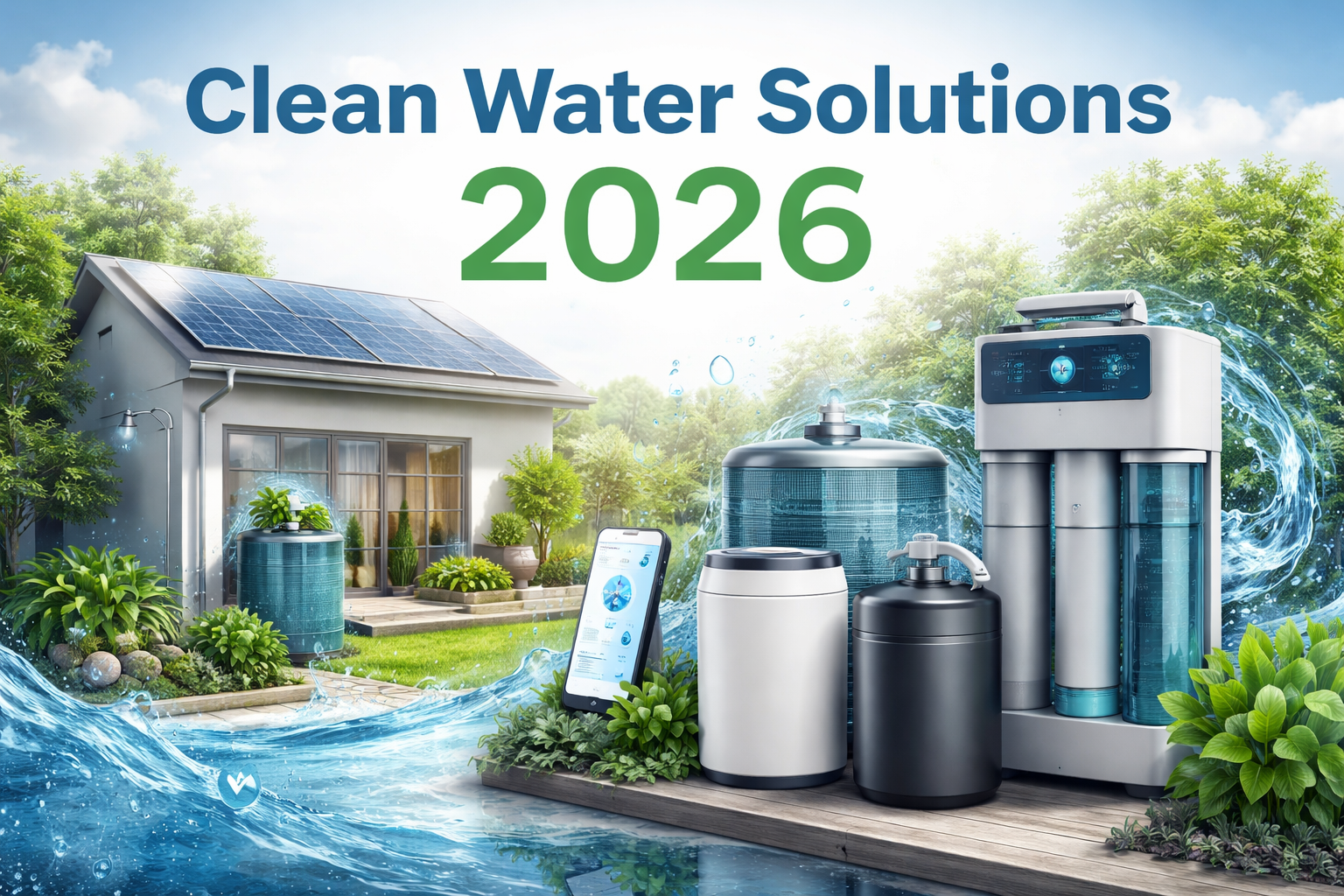
Water is one of the most essential resources for everyday life, yet it is becoming increasingly vulnerable due to climate change, rapid urbanization, and pollution. Around the world, governments, environmental organizations, and technology companies are working to address this challenge through innovative clean water solutions 2026. For homeowners, the next few years will bring major changes in how water is managed, filtered, and conserved within residential spaces.
As environmental concerns grow and infrastructure ages in many cities, households will need to adopt smarter water technologies that improve water quality while reducing waste. Understanding these changes now can help homeowners prepare for a future where clean water management becomes a critical part of sustainable living.
Water scarcity is becoming one of the most pressing global issues of the decade. Rising temperatures, unpredictable rainfall patterns, and population growth are putting significant pressure on freshwater resources. According to research and global monitoring initiatives from organizations such as the World Health Organization, access to safe drinking water remains a major concern in many parts of the world.
As the demand for water increases, governments are introducing stricter policies related to water consumption, treatment, and conservation. These changes are expected to shape clean water solutions 2026, encouraging households to adopt systems that reduce waste and improve water efficiency.
In the coming years, homeowners may see more incentives for water-saving technologies such as smart meters, rainwater harvesting systems, and advanced water conditioning devices. These solutions not only help protect natural resources but also reduce long-term utility costs.
Many cities are currently dealing with aging water infrastructure that requires expensive upgrades. Old pipelines, inefficient purification systems, and water losses during distribution can increase the overall cost of water supply.
Organizations like the United Nations Water Programme emphasize the importance of improving water infrastructure and promoting sustainable water use worldwide.
Because of these challenges, homeowners are likely to experience rising water bills over the next decade. As part of the transition toward clean water solutions 2026, households are beginning to adopt technologies that improve efficiency and reduce plumbing damage caused by mineral deposits and scale buildup.
Hard water remains a common issue in many regions. Minerals such as calcium and magnesium can accumulate in pipes, reducing water flow and damaging appliances like washing machines, heaters, and dishwashers. Over time, these issues lead to higher maintenance costs and reduced appliance lifespan.
Installing modern water treatment and conditioning systems can help address these problems while supporting the broader goal of sustainable water management.
Technology is playing a crucial role in the development of clean water solutions 2026. Modern water systems now include multi-stage filtration, advanced conditioning methods, and smart monitoring tools that allow homeowners to track water quality in real time.
Several innovations are transforming how households manage their water supply:
Smart Filtration Systems
These systems use multiple layers of filtration to remove contaminants, sediments, and harmful microorganisms from water. Many modern filters can now detect changes in water quality and notify homeowners when maintenance is required.
Scale Prevention Technology
Hard water can create limescale buildup in plumbing systems, reducing efficiency and increasing energy consumption. Advanced water conditioning technologies help prevent scale formation without relying on chemicals.
Eco-Friendly Water Treatment
Sustainability is becoming a major focus in water treatment. Energy-efficient and chemical-free solutions are gaining popularity because they reduce environmental impact while maintaining high water quality.
One brand contributing to the advancement of sustainable water technology is KalyxX India, which offers innovative systems designed to improve water flow and minimize scale buildup in residential plumbing systems.
Technology alone cannot solve the global water challenge. Sustainable habits at home also play a major role in ensuring long-term water availability.
Homeowners can support clean water solutions 2026 by adopting simple but effective practices such as:
• Fixing leaks promptly to prevent water loss
• Installing water-efficient fixtures and appliances
• Using rainwater harvesting for gardening and outdoor use
• Reducing unnecessary water consumption in daily routines
Environmental agencies like the United States Environmental Protection Agency (EPA) provide useful resources on water conservation strategies for households.
By combining these habits with modern water treatment systems, households can significantly reduce water waste while protecting plumbing infrastructure.
As environmental pressures increase, the demand for efficient water systems will continue to grow. The transition toward clean water solutions 2026 is expected to involve smarter filtration technologies, improved plumbing protection, and greater awareness of water conservation.
Forward-thinking homeowners are already investing in water management solutions that help maintain water quality while reducing maintenance costs. By addressing issues such as mineral buildup, inefficient water usage, and outdated filtration methods, households can ensure a more reliable water supply for years to come.
Companies like KalyxX India are part of this evolving ecosystem of water technology providers working to improve water conditioning and plumbing efficiency through innovative approaches.
The future of residential water management will depend on a combination of technology, sustainability, and responsible usage. With climate stress and infrastructure challenges continuing to grow, adopting modern clean water solutions 2026 will become essential for homeowners who want to maintain safe, efficient, and sustainable water systems.
By staying informed about emerging technologies and making proactive upgrades today, households can protect their water supply, reduce maintenance costs, and contribute to a more sustainable future for generations to come.

Rinu Ann George is an SEO Analyst at Upgraderz,Specializing in Search Engine Optimization,Content Strategy and Digital Visibility.
