Address
64/2357 Kaloor - Kadavanthara Road , Cochin - 682017 , Kerala.

Address
64/2357 Kaloor - Kadavanthara Road , Cochin - 682017 , Kerala.
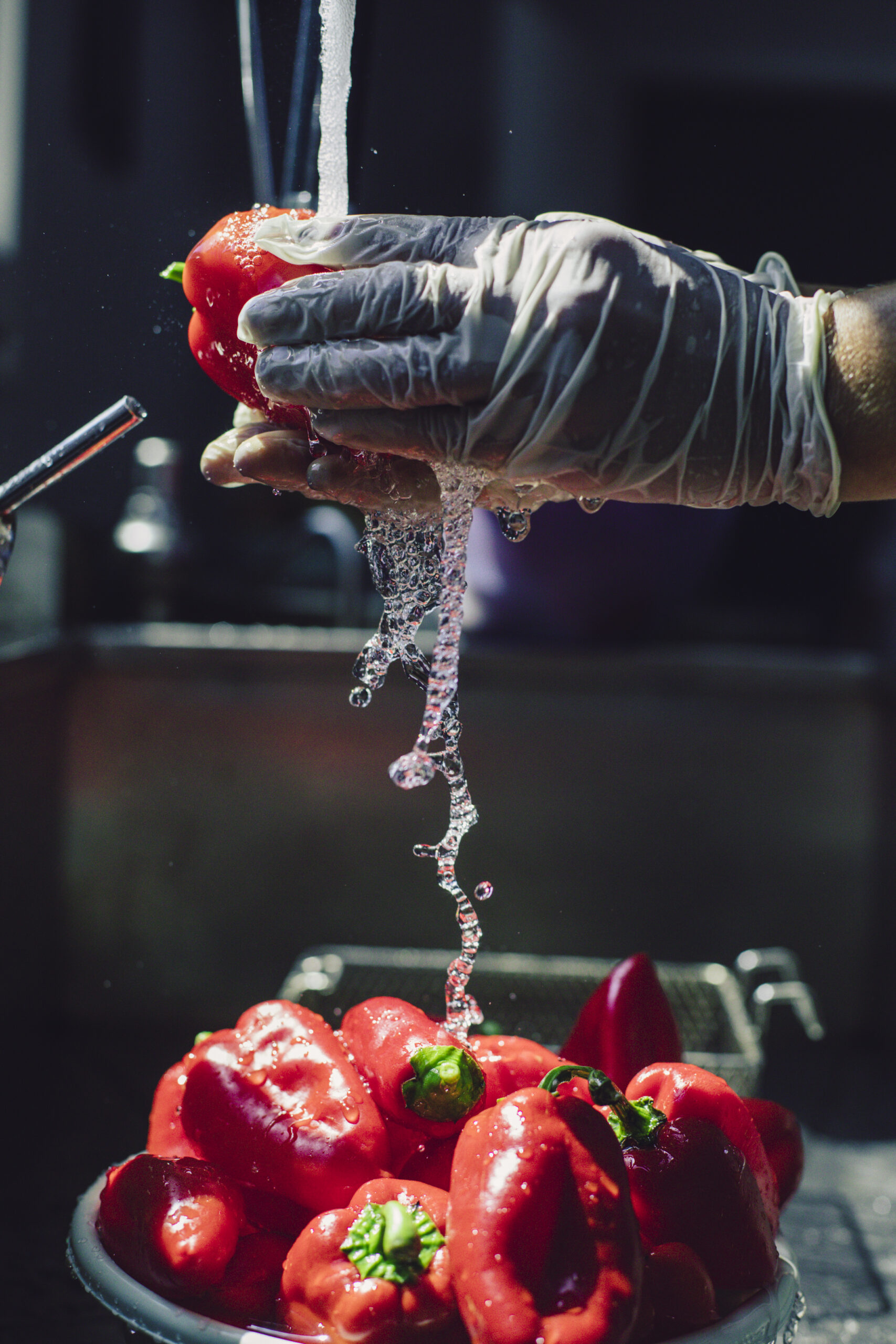
Water is one of the most critical resources used in food manufacturing. From washing raw ingredients to cleaning equipment, steam generation, cooling systems, and becoming an ingredient in many food and beverage products, water influences every stage of production. Therefore, Water Quality in Food Processing Industries is a vital factor in ensuring food safety, maintaining product quality, improving operational efficiency, and complying with regulatory standards.
Poor water quality can introduce harmful microorganisms, dissolved minerals, and chemical contaminants into the production process, leading to product recalls, equipment damage, and increased operational costs. Investing in proper water treatment for food industry applications and maintaining high industrial water quality standards helps manufacturers produce safe, high-quality food products while protecting their processing systems.
Water Quality in Food Processing Industries refers to the physical, chemical, and microbiological quality of water used during food production. Water must be clean, safe, and free from contaminants that could affect food safety or manufacturing efficiency.
Key parameters that influence food processing water quality include:
Monitoring these parameters regularly ensures consistent production quality and helps manufacturers meet industry regulations.
One of the primary reasons Water Quality in Food Processing Industries is so important is its direct impact on food safety. Water is used to wash fruits, vegetables, meat, seafood, processing equipment, storage tanks, and packaging materials. If the water contains harmful bacteria, viruses, or chemical contaminants, these hazards can easily transfer to food products.
Maintaining excellent food processing water quality helps:
High-quality water is a fundamental requirement for every food safety management system.
Water often becomes part of the finished product, especially in beverage, dairy, bakery, and processed food manufacturing. Variations in water composition can significantly affect:
Maintaining Water Quality in Food Processing Industries ensures that every production batch meets the same quality standards, resulting in improved customer satisfaction and fewer product defects.
Hard water contains calcium and magnesium minerals that can form scale deposits inside boilers, pipelines, heat exchangers, and food processing equipment. Over time, scale buildup reduces efficiency and increases maintenance requirements.
Maintaining proper industrial water quality helps:
Implementing effective water treatment for food industry solutions is one of the best ways to protect valuable processing equipment.
Food manufacturers are required to comply with strict water quality standards in food processing established by national and international food safety authorities. Failure to meet these standards may result in production delays, regulatory penalties, product recalls, or loss of consumer confidence.
Maintaining Water Quality in Food Processing Industries helps businesses:
Modern water treatment for food industry technologies help remove impurities, reduce hardness, control microbial growth, and improve overall water quality. The World Health Organization (WHO) – Guidelines for Drinking-water Quality provides internationally recognized recommendations for maintaining safe water used in food production, helping manufacturers protect consumer health and comply with food safety standards.
Common treatment methods include:
Selecting the right treatment system depends on water quality, production capacity, and operational requirements.
Effective water filtration for food processing removes suspended particles, sediments, and impurities before water enters production systems. Proper filtration helps improve both food quality and equipment performance.
Benefits include:
Modern filtration systems also reduce the risk of contamination while supporting efficient cleaning and sanitization processes.
Mineral scale is one of the biggest operational challenges in food manufacturing. Traditional softening systems often require chemicals and regular regeneration, increasing maintenance requirements.
Today, many manufacturers are adopting chemical-free physical scale prevention technologies to improve Water Quality in Food Processing Industries while reducing environmental impact.
For facilities looking for an efficient solution, the KalyxX 100 Mini provides advanced chemical-free scale prevention technology that helps protect processing equipment and maintain reliable water system performance. Learn more about the KalyxX 100 Mini to discover how it supports efficient water management in food processing applications.
Maintaining excellent Water Quality in Food Processing Industries requires continuous monitoring and preventive maintenance. Manufacturers should follow these best practices:
These practices help ensure safe production while minimizing operational costs.
Improving Water Quality in Food Processing Industries also supports sustainability initiatives. Efficient water management helps reduce resource consumption and environmental impact.
Benefits include:
Many companies now invest in advanced industrial water quality technologies to improve productivity while reducing their environmental footprint.
Maintaining Water Quality in Food Processing Industries is essential for producing safe, high-quality food products while protecting processing equipment and ensuring regulatory compliance. Clean water supports food safety, improves product consistency, reduces maintenance costs, enhances operational efficiency, and contributes to sustainable manufacturing practices.
As food safety standards continue to evolve, investing in reliable water treatment for food industry technologies and efficient water filtration for food processing systems has become increasingly important. By following recognized water quality standards in food processing and implementing effective water management strategies, food manufacturers can improve productivity, safeguard consumer health, and achieve long-term operational success.

Rinu Ann George is an SEO Analyst at Upgraderz,Specializing in Search Engine Optimization,Content Strategy and Digital Visibility.
