Address
64/2357 Kaloor - Kadavanthara Road , Cochin - 682017 , Kerala.

Address
64/2357 Kaloor - Kadavanthara Road , Cochin - 682017 , Kerala.
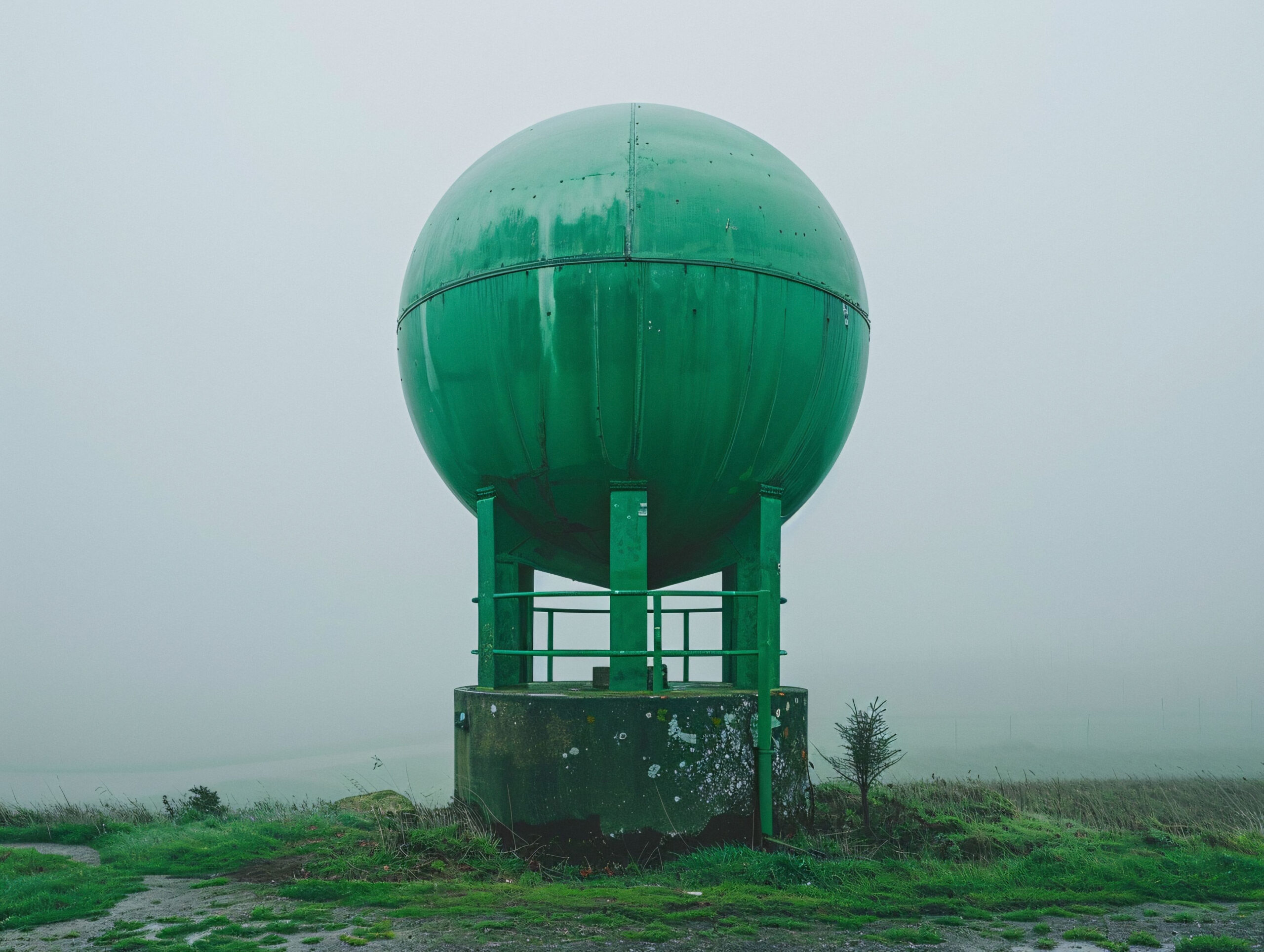
Access to clean and safe water is one of the biggest global priorities in 2026. As energy costs continue to rise and sustainability becomes more important, many homeowners, industries, and rural communities are looking for smarter alternatives to conventional purification systems. This is where water treatment without electricity is becoming a game-changing solution.
Modern non-electric systems are designed to provide clean water while reducing energy consumption, maintenance costs, and environmental impact. Companies offering advanced filtration and scale prevention solutions are making it easier than ever to adopt sustainable water technologies. Businesses and homeowners can now explore innovative products through Kalyxx India’s water treatment solutions for reliable and eco-friendly options.
The demand for water treatment without electricity has increased significantly because traditional water purifiers often rely heavily on power-consuming pumps and electronic components. In regions where electricity supply is unstable or expensive, non-electric systems offer a practical alternative.
These systems are especially useful for:
The biggest advantage is sustainability. By eliminating electrical dependency, users reduce operational costs while minimizing their environmental footprint.
Most systems designed for water treatment without electricity rely on physical filtration, catalytic conditioning, gravity-based purification, or pressure-driven mechanisms. Unlike conventional RO systems, these technologies do not waste large amounts of water or require constant power.
Some common methods include:
Gravity systems use natural downward flow to filter impurities from water. These are widely used in homes and emergency situations.
Activated carbon removes chlorine, odor, and organic contaminants without using electricity.
Ceramic filters trap bacteria and sediments while maintaining water quality naturally.
Advanced conditioning systems prevent scale buildup in pipes and appliances without chemicals or electrical components.
These methods make water treatment without electricity highly efficient and cost-effective for long-term use.
One of the most innovative solutions available today is the IPS Kalyxx Active system. This advanced water conditioning technology helps reduce limescale buildup naturally while improving water efficiency in residential and commercial systems.
You can learn more about the advanced features of IPS Kalyxx Active and how it supports sustainable water management.
Unlike traditional water softeners that require salt and power, IPS Kalyxx Active provides a maintenance-friendly alternative that supports modern sustainability goals.
Yes, many modern systems are designed specifically for residential use and can effectively improve water quality while reducing maintenance and energy costs.
Some major benefits include:
No, IPS Kalyxx Active is designed to work without electricity. The system uses advanced catalytic technology to help reduce limescale buildup naturally, making it an energy-efficient and low-maintenance water conditioning solution.
Kalyxx India water treatment products offer several benefits including reduced scaling, improved appliance lifespan, eco-friendly operation, low maintenance requirements, and sustainable water treatment without electricity. These systems are suitable for homes, hotels, and industrial applications.
It depends on the application. Non-electric systems are ideal for sustainability, lower operating costs, and eco-friendly performance, while electric systems may be preferred for advanced purification needs in some cases.
Environmental sustainability is one of the strongest reasons why water treatment without electricity is gaining global attention. Traditional purification systems can consume large amounts of energy and generate wastewater during filtration.
Non-electric systems help reduce:
As governments and businesses focus on green infrastructure, sustainable water technologies are becoming essential for future-ready buildings and communities.
Another major advantage of water treatment without electricity is reduced operational cost. Since there are fewer electronic parts, users spend less on repairs, maintenance, and energy bills.
Benefits include:
For businesses and industrial facilities, these savings can become substantial over time.
The use of water treatment without electricity is expanding across multiple sectors in 2026.
Homeowners use non-electric systems to improve water quality while reducing monthly utility costs.
Hotels and resorts prefer sustainable water solutions to improve operational efficiency and support eco-friendly branding.
Industries use water conditioning systems to protect machinery from scaling and corrosion.
Farmers use electricity-free treatment systems in irrigation and water storage applications.
Hospitals and institutions benefit from reliable water treatment systems that continue functioning even during power interruptions.
Climate change, increasing urbanization, and rising water demand are forcing industries and governments to rethink traditional water infrastructure. Sustainable systems that focus on efficiency and low environmental impact are becoming essential.
The shift toward water treatment without electricity aligns perfectly with global sustainability initiatives because it encourages:
As more consumers become environmentally aware, businesses adopting sustainable technologies gain a competitive advantage.
Choosing between electric and non-electric systems depends on water quality needs, budget, and sustainability goals.
| Feature | Non-Electric Systems | Electric Systems |
|---|---|---|
| Electricity Required | No | Yes |
| Maintenance | Low | Moderate to High |
| Environmental Impact | Eco-Friendly | Higher Energy Consumption |
| Water Wastage | Minimal | Often Higher |
| Installation | Simple | More Complex |
| Operating Cost | Lower | Higher |
For users focused on sustainability and long-term savings, water treatment without electricity offers a practical and future-ready solution.
Smart and sustainable water treatment systems can help reduce electricity consumption by eliminating the need for power-dependent purification technologies. Non-electric water conditioning solutions also improve appliance efficiency by reducing limescale buildup, helping water heaters, washing machines, and plumbing systems operate more efficiently while lowering long-term energy costs.
Smart homes are becoming more common, and homeowners are focusing on technologies that improve efficiency while reducing environmental impact. Non-electric water treatment systems fit perfectly into this concept.
Benefits for smart homes include:
Modern homeowners are also prioritizing systems that continue working during power outages. This makes non-electric solutions highly reliable for daily use.
Power shortages and unstable electricity supply continue to affect many regions around the world. During these situations, conventional purification systems may stop functioning completely, leaving homes and businesses without access to properly treated water.
This is one reason why non-electric treatment systems are becoming increasingly valuable. Since they operate independently from electrical power, they continue delivering reliable water treatment even during outages.
This makes them highly useful for:
In commercial sectors such as hotels and healthcare facilities, uninterrupted water management is extremely important. Non-electric systems provide operational reliability while reducing dependency on backup power sources.
When selecting a non-electric water treatment solution, consider the following factors:
Choosing a reliable provider with proven technology is important for achieving maximum efficiency and long-term benefits.
For additional information on sustainable water technologies and eco-friendly infrastructure, these resources can be valuable:
As sustainability becomes a major priority worldwide, water treatment without electricity is emerging as one of the smartest solutions for modern water management. These systems offer reliable purification, lower operational costs, reduced environmental impact, and long-term efficiency.
From homes and hotels to industries and agricultural applications, electricity-free water treatment technologies are transforming how people manage water in 2026. By adopting innovative solutions such as advanced catalytic conditioning systems, users can achieve cleaner water while supporting a greener and more sustainable future.

Rinu Ann George is an SEO Analyst at Upgraderz,Specializing in Search Engine Optimization,Content Strategy and Digital Visibility.
