Address
64/2357 Kaloor - Kadavanthara Road , Cochin - 682017 , Kerala.

Address
64/2357 Kaloor - Kadavanthara Road , Cochin - 682017 , Kerala.
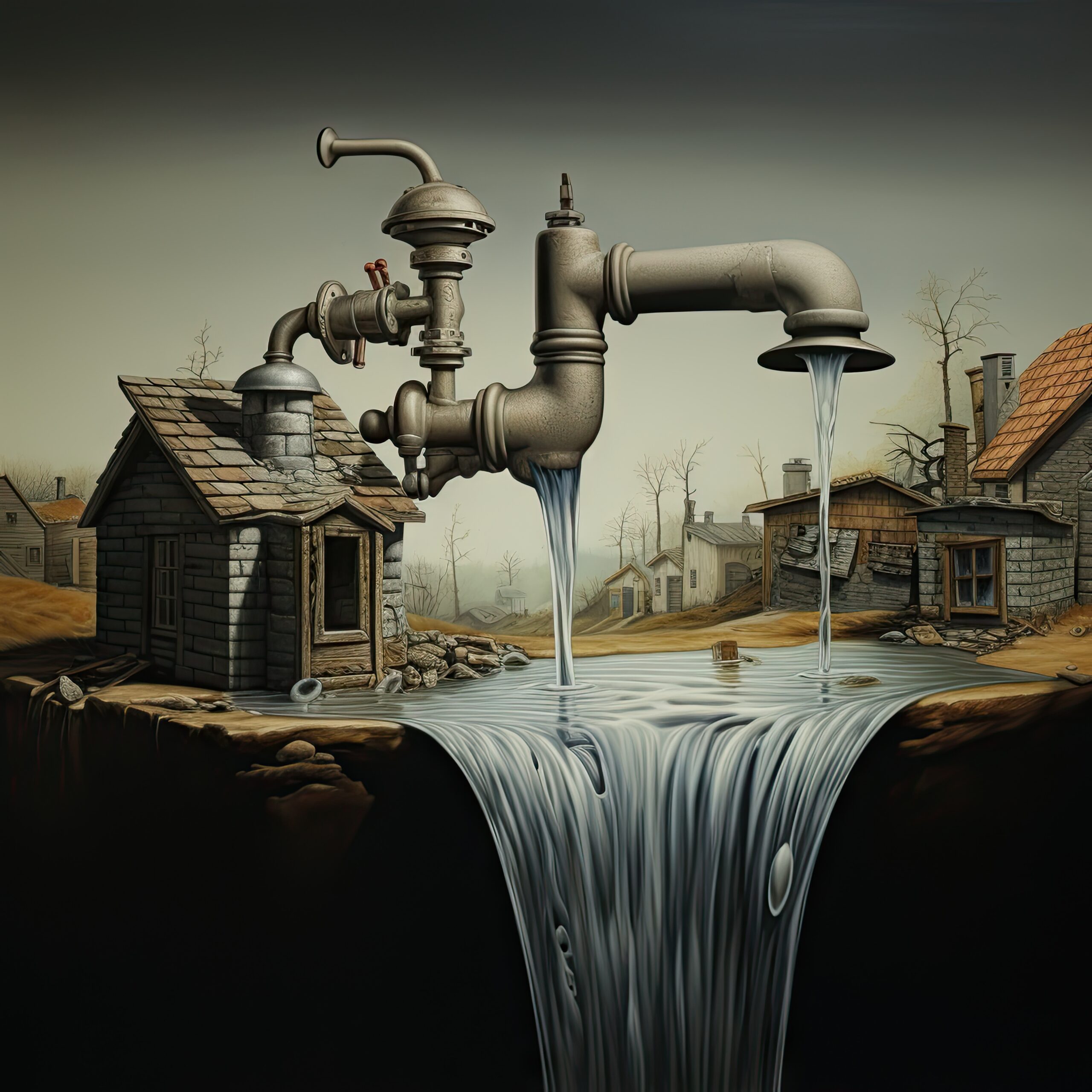
Water treatment technology has evolved rapidly in recent years, and homeowners as well as businesses are now shifting toward smarter and more efficient solutions. In 2026, one of the biggest trends in the industry is the growing demand for maintenance free water systems. These advanced systems reduce servicing costs, minimize downtime, and improve long-term water quality without constant manual intervention.
For people searching for reliable industrial and residential water solutions, companies like Kalyxx India Water Products offer a range of modern purification and treatment technologies designed for long-term efficiency.
Maintenance free water systems are water purification or treatment systems designed to operate efficiently with minimal servicing requirements. Unlike traditional systems that require frequent cleaning, filter replacement, or chemical balancing, these systems are engineered with durable components and automated technology.
They are commonly used in:
The biggest advantage is simple: lower operational costs over time.
Traditional water purification systems may appear affordable initially, but hidden expenses often accumulate over the years. These include:
For businesses, even a single day of system failure can result in significant productivity losses. This is why many industries are upgrading to maintenance free water systems in 2026.
According to U.S. Environmental Protection Agency (EPA), efficient water management technologies help reduce both operational costs and environmental impact.
One of the main reasons people invest in maintenance free water systems is the dramatic reduction in annual maintenance expenses.
Traditional systems often require:
Modern maintenance-free designs use self-cleaning technology, corrosion-resistant materials, and advanced filtration mechanisms that significantly reduce servicing frequency.
For a medium-sized commercial building, yearly maintenance savings can easily reach thousands of rupees or even lakhs depending on usage volume.
Water scarcity is becoming a major global concern in 2026. Older purification systems waste a substantial amount of water during filtration and cleaning cycles.
Modern maintenance free water systems are designed to optimize water recovery rates and minimize waste. Some advanced systems can recover up to 90–95% of processed water, making them both environmentally friendly and cost-efficient.
Organizations like World Health Organization (WHO) continue emphasizing sustainable water management solutions to improve long-term public health and resource conservation.
Electricity costs are rising globally, and inefficient water systems consume far more power than necessary. New-generation maintenance free water systems integrate energy-efficient motors, smart sensors, and automated controls that reduce electricity consumption.
Benefits include:
For industries operating 24/7, these energy savings can become substantial over a single year.
Traditional water systems often suffer from scaling, rust, and internal damage due to poor maintenance schedules. Constant breakdowns reduce equipment lifespan and increase replacement costs.
In contrast, maintenance free water systems are engineered with:
This allows the system to function efficiently for many years with minimal wear and tear.
The result is simple:
Water quality consistency is essential for homes, hospitals, food processing industries, and manufacturing units. Manual systems often experience fluctuations due to irregular servicing.
Modern maintenance-free water systems use automation and advanced purification technology to maintain stable water quality without continuous human supervision.
This improves:
Reliable water quality also reduces the risk of contamination-related issues and operational interruptions.
A major reason these systems are becoming popular in 2026 is the integration of smart technology.
Many systems now include:
These innovations help users identify issues before they become costly problems.
Technology publications like MIT Technology Review regularly highlight how smart infrastructure systems are transforming industrial efficiency worldwide.
Sustainability is now a priority for both governments and businesses. Choosing maintenance free water systems supports eco-friendly operations by reducing:
Companies adopting sustainable water technologies may also improve their environmental compliance and brand reputation.
Consumers increasingly prefer businesses that actively invest in green infrastructure and responsible resource management.
Some people hesitate because advanced systems may have a slightly higher upfront cost compared to traditional units. However, the long-term financial benefits are usually much greater.
When you calculate:
…the return on investment becomes very clear within a few years.
For businesses especially, the savings generated by maintenance-free water systems can directly improve profitability and operational efficiency.
In 2026, water treatment is no longer just about purification — it is about efficiency, sustainability, and long-term savings. Whether for homes, apartments, hospitals, hotels, or industries, maintenance free water systems are becoming the preferred solution because they dramatically reduce operational costs while improving reliability.
With lower maintenance requirements, better energy efficiency, reduced water wastage, and smarter automation, these systems can save thousands every year while supporting environmentally responsible operations.
As technology continues to advance, investing in modern water treatment infrastructure is quickly becoming a necessity rather than an option.

Rinu Ann George is an SEO Analyst at Upgraderz,Specializing in Search Engine Optimization,Content Strategy and Digital Visibility.
